Hiring & retention
The second visit tells you whether your new hire is staying
A regular guest can spot the difference between a staffed floor and a stable one. Retention starts in the first week, and the clues show up fast.
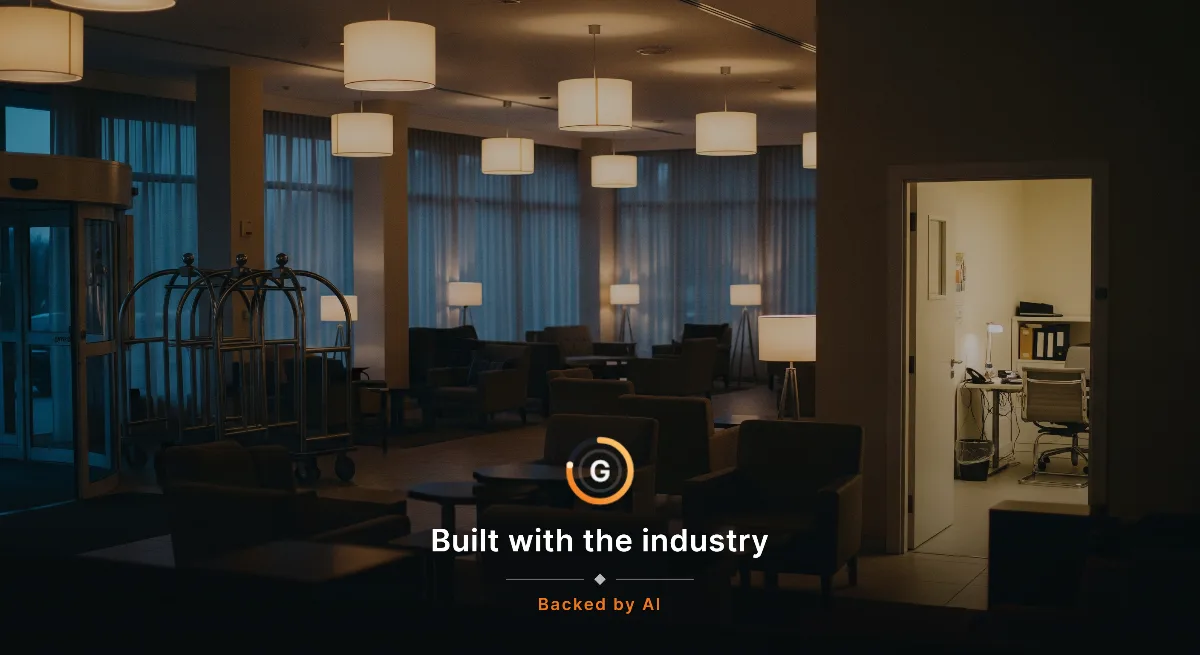
The lobby can look almost perfect an hour before arrival rush. Lamps are on, luggage carts are lined up, the desk is wiped down, and the breakfast room is still enough to hear the ice machine cycle. Then a supervisor glances at the roster and sees what the guest will not, one new front-desk agent on a second shift, one room attendant covering an extra section, and a manager already rewriting the day in their head.
That is the part of hiring and retention hospitality too often talks about too late. We discuss turnover once someone quits, but the real story starts much earlier, in the system they enter. Retention is built into the job before the employee has worked a full week.
A recent piece in Hospitality Net, "The Heart of Hospitality: A Deep Dive into Modern Hotel Human Resources," makes the broad case that modern hotel HR now spans recruitment, onboarding, training, engagement, and digital systems, not just paperwork. That framing is right, and it matches what many operators are already living, because the pressure no longer sits in one HR office or one hiring manager's inbox. It lands at the front desk at 4:12 p.m., in housekeeping boards at 10:30 a.m., and in the night audit handoff when two small misses become tomorrow's complaint.
The evidence outside trade commentary points the same way. Gallup's State of the Global Workplace 2024 report says managers account for 70 percent of the variance in team engagement. That does not mean blame managers and move on. It means the day-to-day operating system around a team, how expectations are set, how people are trained, how shifts are staffed, how feedback travels, has measurable consequences. The U.S. Bureau of Labor Statistics also reported in its 2024 Job Openings and Labor Turnover data that accommodation and food services continued to post among the highest quit rates in the economy, a reminder that hospitality is still asking people to stay inside unusually hard work without always giving them unusually clear support.
What guests see is a smooth check-in, a clean room, a breakfast buffet refilled before the tray looks thin. What they do not see is whether the person doing that work was hired into something legible. Can they tell, by the end of day three, who makes the call when a room is not released but arrivals are stacking up? Do they know what "done" looks like at their station? When the schedule changes, does someone explain why, or does the app simply light up with a new version at 10:47 p.m.?
This is the invisible system beneath the visible stay. It is where retention is usually won or lost.
Hospitality Net emphasizes digital transformation, including tools like HRIS and applicant tracking systems. Fair enough. But software is not the key distinction by itself. Plenty of teams now move faster at posting jobs and still lose people by week six. The operational question is more basic and less glamorous, can a new hire predict their work life with enough accuracy to build a life around it? If the answer is no, the problem will show up as turnover, callouts, weak service recovery, and exhausted supervisors.
Think about a hotel where recruiting is technically active but the underlying conditions stay muddy. The candidate gets a clean offer and a friendly welcome. Then orientation covers policies in bulk, training is compressed because occupancy is up, and by the first weekend the new agent is alone for twenty minutes longer than planned because a relief handoff runs late. No one was careless. No one meant to set them up badly. But the system told them something important, you are on your own faster than you should be.
The same pattern shows up in restaurants, bars, and cafes too. A host gets hired into "a great team," but no one explains the seating priorities when the patio fills and two servers are in the weeds. A prep cook is told there are hours available, then gets scheduled light for three weeks because sales came in soft. A banquet server is praised for flexibility, then gets texts so late and so often that flexibility starts to mean permanent uncertainty. Operators do not need another lecture about caring more. Most already care. They need the work translated into systems people can trust.
For frontline teams, especially the new hire trying not to be the one who slows everyone down, it matters to say this plainly: if you feel more confused than challenged, that is often a design problem, not a personal failure. Good hospitality work is demanding. It should not be mysterious. Being held to a real standard is part of the job. Being asked to guess the standard every shift is something else.
For operators, the hard truth is that retention work is often hiding in places we still label as scheduling, training, communication, or coverage. Those are not adjacent to retention. They are retention. A 2024 7shifts labor guide notes that labor is typically one of the largest controllable costs in hospitality, often running around 30 percent of restaurant revenue depending on concept. In hotels, labor pressure lands differently but just as sharply. When teams try to control that pressure with last-minute variability, they may protect one day's forecast and damage the next month's stability.
That is why the strongest hiring message is not the job post. It is the first two weeks of lived reality after the offer is accepted. If schedules swing without warning, if training depends on who happens to be nearby, if standards are explained differently by each supervisor, people are not only learning tasks. They are learning whether the operation keeps its word.
People stay longer when the job becomes more predictable, not when the work becomes easy.
Try a two-minute test today. Take one open role or one recent hire. Write down, in one sentence each, what that person was promised about hours, training, and support. Then ask the direct supervisor whether those three things happened exactly that way last week. If the answers drift, even a little, the retention problem is probably already yours.
Hiring & retention
A regular guest can spot the difference between a staffed floor and a stable one. Retention starts in the first week, and the clues show up fast.
Hiring & retention
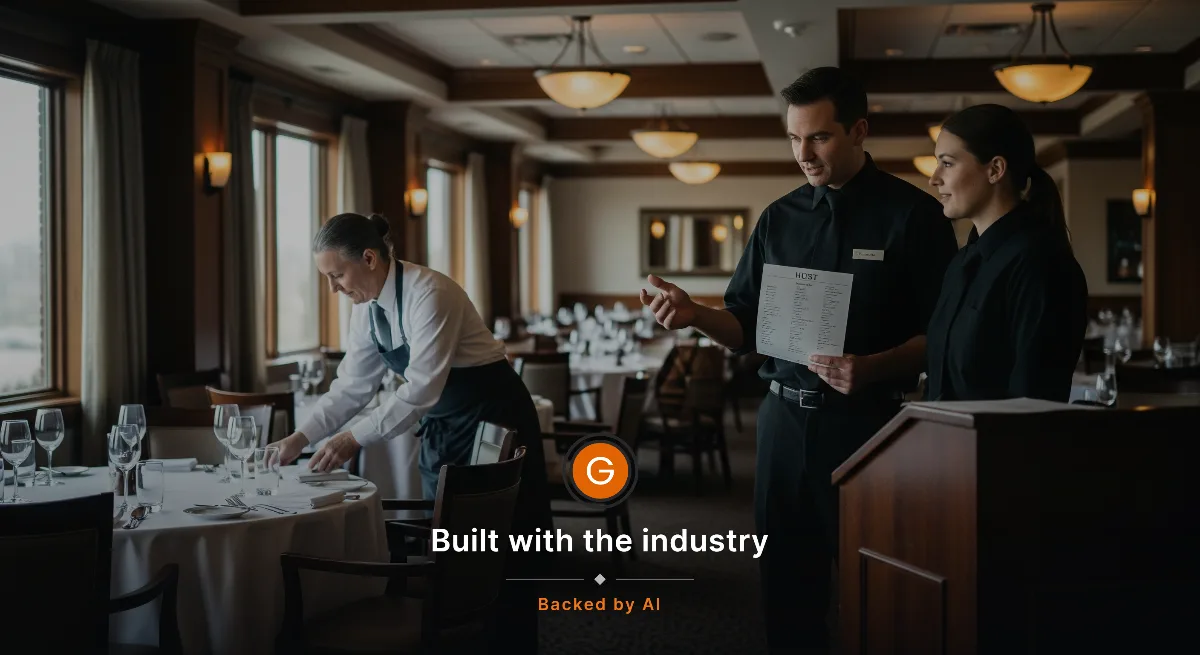
A restaurant can feel like the neighborhood's living room, but only if the people running it can stay long enough to make that feeling real.
Hiring & retention
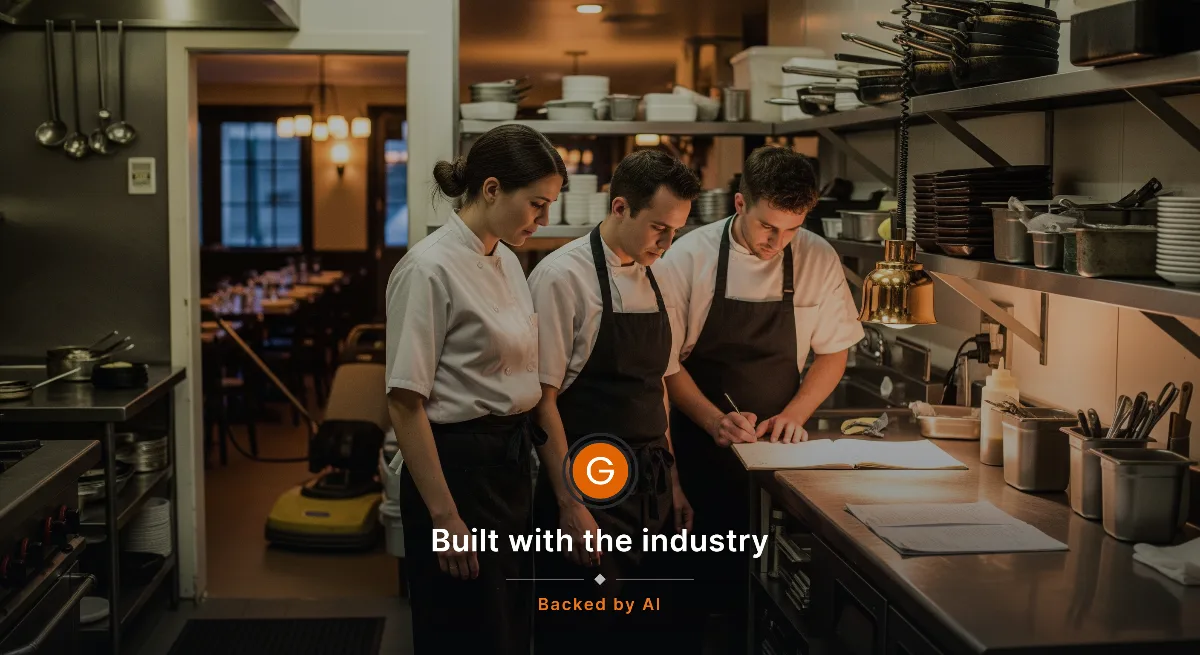
When restaurants pile on changes without translation, training, or pacing, retention slips fast. The fix is not softer standards, but clearer systems.