Hiring & retention
Retention starts before day one, in the system people walk into
Guests see a calm stay. Teams feel the hiring, scheduling, training, and handoff systems underneath it. Retention starts before day one, not at exit.
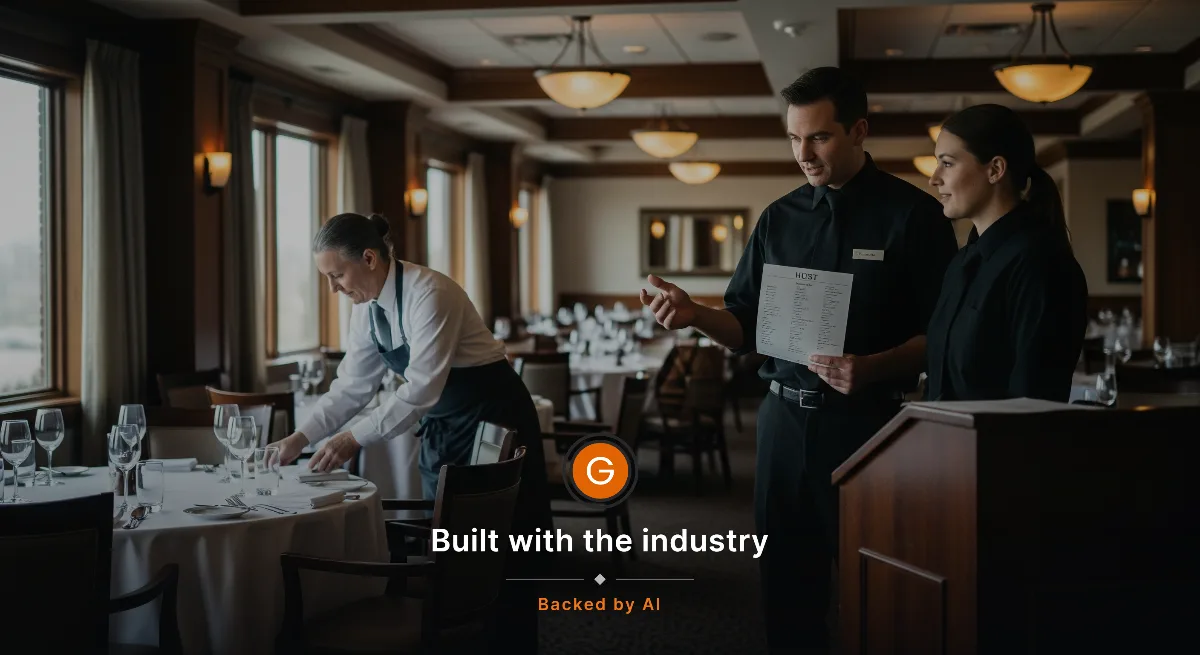
The schedule on the corkboard has three cross-outs before Thursday even starts. One barista picked up a second job. One server asked for fewer closes because the bus home got cut. One host never came back after training weekend. By the time doors open, the room still looks calm, but everyone working can already feel the drag.
That is the part people miss when they talk about restaurants as community spaces. The idea is getting more attention, and the evidence is real, but the room only becomes a dependable place for other people when it is dependable for the staff first. Retention is the hidden infrastructure of a third space.
A recent piece in Eater asked operators how they run a "third space," the place between home and work where guests gather, linger, and return. It is a useful frame because it names something restaurants know in their bones, people are not only buying food or drinks, they are buying permission to belong somewhere for an hour. But belonging does not come from furniture and playlist choices alone. It comes from repetition, recognition, and a staff that knows the room well enough to carry it without fraying.
That last part is not soft or sentimental, it is operational. Gallup's State of the Global Workplace report has repeatedly tied turnover and burnout to the daily work environment, and its 2024 findings put manager influence on team engagement at 70 percent. In restaurants, that variance shows up fast. It looks like the new host getting three different answers on how to pace the waitlist. It looks like a bartender remaking a regular's drink because the spec lived in somebody's head and that somebody quit last month. It looks like a dining room trying to be everybody's neighborhood spot while the team inside it is still learning each other's names.
For hiring and retention, this matters more than the industry sometimes admits. A third space is built on familiar human handoffs. The busser knows which two-top likes water before menus. The server clocks that the solo guest with a laptop wants one check, one coffee refill, and quiet. The line cook sees a late modifier and calls the save before the plate dies in the window. Guests read those moments as warmth. Staff experience them as stability.
When stability breaks, the guest feels it almost immediately. Not always as one big disaster. More often as a low-grade inconsistency that keeps a place from becoming part of someone's weekly life. The music is right, the lighting is right, the pastries are good, but every visit feels like a different room because the people inside it are starting over. The floor pays twice, first in training hours, then in lost trust.
That is why retention cannot sit in a separate folder called HR while the brand side talks about community. The systems are the same system. The U.S. Bureau of Labor Statistics JOLTS releases continue to show accommodation and food services among the sectors with high churn and heavy hiring pressure. Operators do not need a federal report to tell them that, they can see it in the group chat and the stack of onboarding forms. But the point of citing it is this, constant replacement is not normal wear and tear to design around casually. It changes the product. In a business selling consistency of feeling, churn is not only a labor issue. It is a guest experience issue.
So what does the better version look like on the floor? Usually not glamorous. It is the opener who knows exactly who owns side work because the list did not change midweek without explanation. It is the manager who trains one greeting standard and keeps it steady for a month instead of rewriting the script every shift. It is the bar lead who leaves clean station notes that can be followed by the closer on day four. It is hours that roughly match the promise made in the interview. It is the smallest kind of trust, kept often.
A lot of retention talk drifts toward perks because perks are easy to name. Staff meal upgrades, shift drinks, merch, referral bonuses. None of that is bad. Some of it helps. But the reasons people stay are usually more basic and more demanding. Can they predict their week. Can they get trained by one standard instead of three. Can they recover from one bad Saturday without deciding every Saturday will feel like that. Can they picture themselves being good here in six months.
To the floor, this part matters too. If you are the cook, server, host, busser, dishwasher, or bartender trying to hold service together while people rotate in and out, your frustration is not pettiness. Re-teaching the same steps every week is work. Covering a station with a half-trained hand beside you is work. Being told to create a welcoming room while your own shift changes by text at midnight is work. Most teams do not burn out because they stopped caring. They burn out because caring starts to feel unprotected.
And to operators, the hard truth is that guests can tell when the staff relationship to the place is temporary, even if nobody says a word about it. The room loses memory. The regulars stop getting greeted like regulars. The team's little recoveries vanish. Those are not extras. They are the mechanics of becoming somebody's place.
The sharpest read from Eater's framing is not that restaurants should aspire to be third spaces. Many already are. The harder question is whether the job behind that feeling is stable enough for people to keep performing it well. A restaurant becomes a real third space only when the team has enough steadiness to remember the room for everyone else.
This week, pick one retention problem that creates daily drag and fix the system, not the speech. Post the schedule earlier and hold it. Freeze one service standard for 30 days. Write the station close so a new person can actually follow it. Ask one newer hire where the handoff keeps breaking, then change that handoff. Community on the guest side starts there, with a shift that stops asking people to rebuild the place from scratch every night.
Hiring & retention
Guests see a calm stay. Teams feel the hiring, scheduling, training, and handoff systems underneath it. Retention starts before day one, not at exit.
Hiring & retention
A regular guest can spot the difference between a staffed floor and a stable one. Retention starts in the first week, and the clues show up fast.
Hiring & retention
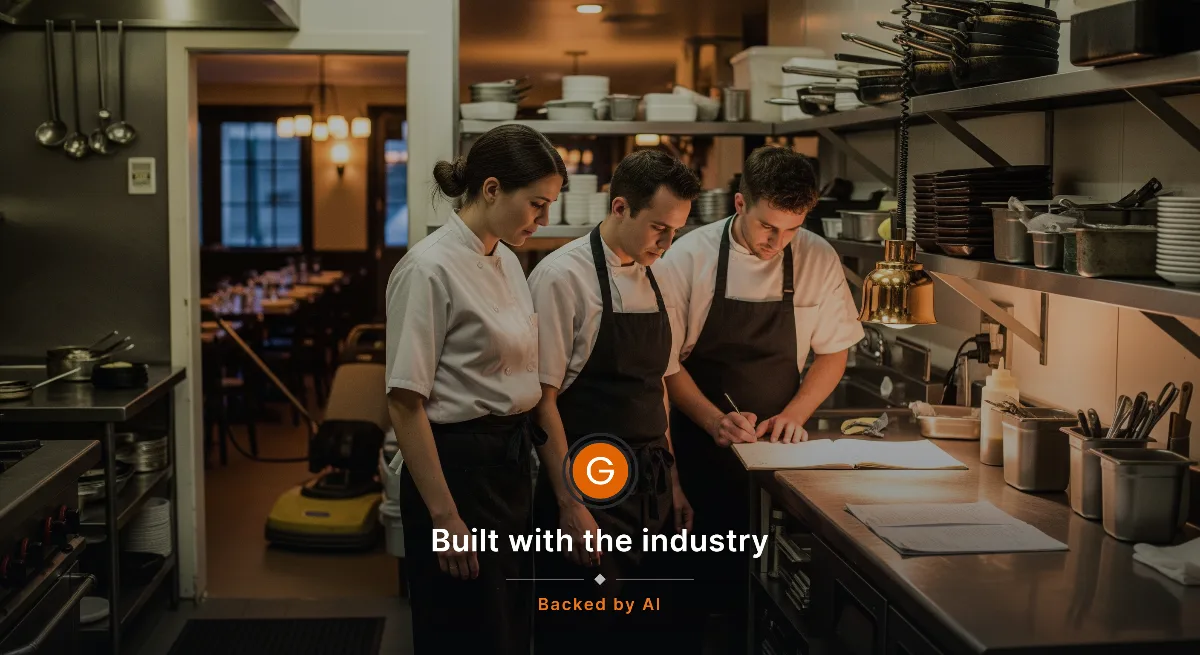
When restaurants pile on changes without translation, training, or pacing, retention slips fast. The fix is not softer standards, but clearer systems.