Tech stack
Three Ways to Read a Restaurant Footprint
Restaurant footprints are not one trend. Learn to sort compact, large-room, and hybrid models by the service work each asks teams to carry.
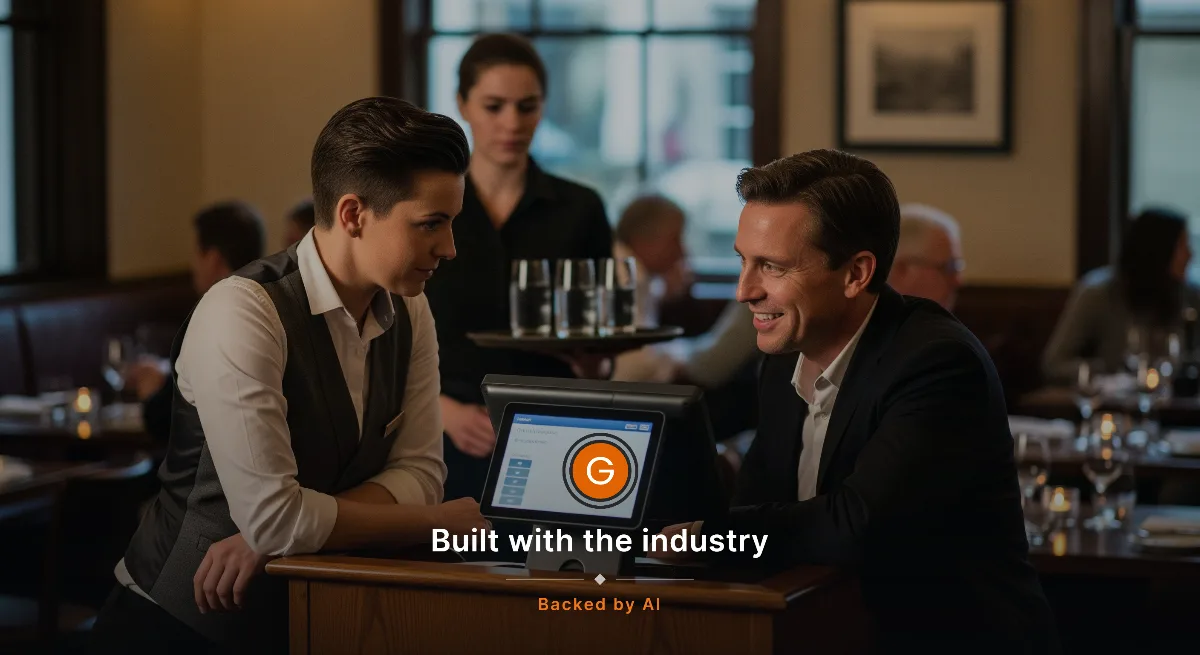
The host stand goes quiet in a way that never feels calm. One iPad is open to the house list, a laptop has another platform up in a browser, and a phone screen lights again because a guest just changed from four to six. Nobody is doing anything wrong, but everyone is already one step behind the door.
That setup is still normal in too many dining rooms, and the cost is bigger than a few awkward clicks. When reservations live in three places, the floor starts operating on three versions of the truth.
That is the thesis. Operational truth at the door has to live in one place.
A recent piece in FSR Magazine described SevenRooms' new Channel Connect as a desktop app built to keep reservations synced across multiple channels, so operators are not manually updating separate devices to avoid double bookings. The point in FSR Magazine's coverage is simple and familiar to anybody who has worked a busy host stand, restaurants have been reconciling fragmented reservation systems by hand because the infrastructure was never really built around how the floor actually runs.
That matters because the damage from split systems rarely shows up first as a software complaint. It shows up as a human moment. The host quotes 15 minutes because Platform A has room. The manager walks by and sees Platform B filled that same slot ten minutes earlier. A server gets sat with three deuces back to back while a six-top is still building at the door. The kitchen gets told to expect a smooth first turn, then gets hit with two channels worth of 7:00 arrivals inside eight minutes. By the time anyone says, "What happened?", the answer is already gone, buried under the next five decisions.
This is where tech stack talk gets too clean. We say integration, centralization, efficiency. On the floor, the real issue is trust. If the person on the door cannot trust the book, they start hedging. They stop speaking in clean promises. They tell one guest "probably," another guest "we'll do our best," and the floor loses tempo before service has even properly started.
Research backs up how expensive that uncertainty becomes. Gallup's State of the Global Workplace report has repeatedly shown managers account for 70 percent of the variance in team engagement, a finding Gallup reiterated in its 2024 reporting. In restaurants, one big part of that variance is whether a manager gives the team a stable version of reality to work from. And Toast's 2024 restaurant turnover reporting noted hospitality turnover remains among the highest in the economy. Teams do not leave only because a night was busy. They leave when busy feels random, preventable, and unfair.
A messy reservation stack creates exactly that kind of unfairness. The host gets blamed for a double seat they did not create. The server gets tight because sections were loaded unevenly by bad information. The expo window starts hearing ticket times blamed on the kitchen when the real miss happened 40 minutes earlier at the digital front door. Systems turn into friction, and friction turns into stories people tell themselves about each other.
We have seen the opposite, too. One clean book, one set of notes, one place where the allergy flag, anniversary tag, pacing note, and channel source all live together. The difference is not glamorous. It looks like a host on day five taking a breath instead of freezing. It looks like a floor manager spending pre-shift on assignments and recovery plans, not on comparing screens. It looks like a bartender knowing whether that 12-top is actually coming in waves or all at once. The room still gets slammed, but it gets slammed honestly.
That is the part the industry should stay on. Not whether restaurants can finally look a bit more like airlines or hotels. Restaurants are their own trade, and the front door has its own chaos. The real win is smaller and more important, one source of truth gives the team a fair chance to perform the night they were actually handed.
And for the people on the floor, not just the people choosing systems, this is not abstract. If you are a host, you know what it feels like to absorb the first hit from bad information with a smile on your face. If you are serving, you know the section map can be perfect on paper and broken in practice because the arrivals were stacked wrong upstream. If you are on the line, you know the board does not care which platform caused the surge, only that eight tickets landed hot and together. The tech decision lands in your body before it lands in anyone's quarterly review.
So this week, do one very unglamorous check. Stand at the door for 20 minutes before your busiest turn and count how many places the team has to look to answer three basic questions, who is coming, when are they coming, and what do we need to know before they sit. If the answer is more than one system of record, name the risk plainly. Then write down the two failure points that hurt the floor most, double booking, bad pacing, missing guest notes, section overload, whatever it is in your house. You do not need a big strategy deck to start. You need an honest map of where truth splits.
Because the sharper version of this thesis is even simpler, the door cannot offer real hospitality from broken information. Get the reservation truth into one place, and the whole room gets a little fairer, a little calmer, and a lot more capable of holding the rush.
Tech stack
Restaurant footprints are not one trend. Learn to sort compact, large-room, and hybrid models by the service work each asks teams to carry.
Tech stack
Hospitality keeps treating slow reporting like a dashboard issue. The truer problem is delayed decisions that land on the floor as harder shifts.
Tech stack
Hotel tech debates usually stay in the CIO room. What matters on property is simpler: whether the PMS makes every handoff clearer, faster, and safer.